How to Clear Land for Pasture in North Georgia
From overgrown woods to grazing ground. The honest step by step for landowners in Gilmer, Fannin, Pickens, and Cherokee counties.
You've got acreage you want to put livestock on. Cattle, horses, goats, a few head of something. But right now it's woods and brush and briars, and every time you look at it you see a job you're not sure how to start.
Plenty of folks around here are in the same boat. They bought good North Georgia land, and a chunk of it is grown up thick instead of growing grass.
Clearing land for pasture is doable, but there's a right way and a wrong way, and the wrong way can leave you with dirt that won't grow a thing. This post walks the whole process start to finish, tells you why the clearing method matters more than most people think, and lays out honestly what it takes to get from tree line to grazing ground.
We're Ferguson Siteworks. We clear overgrown land for pasture, building, and grazing across Ellijay, Blue Ridge, Jasper, Canton, and the rest of Gilmer, Fannin, Pickens, and Cherokee counties. We've mulched thousands of acres of North Georgia woods and scrub into open, usable ground. We'll clear it right and leave you the good soil you need. We'll also tell you straight what happens after we pull out, so you're not surprised.
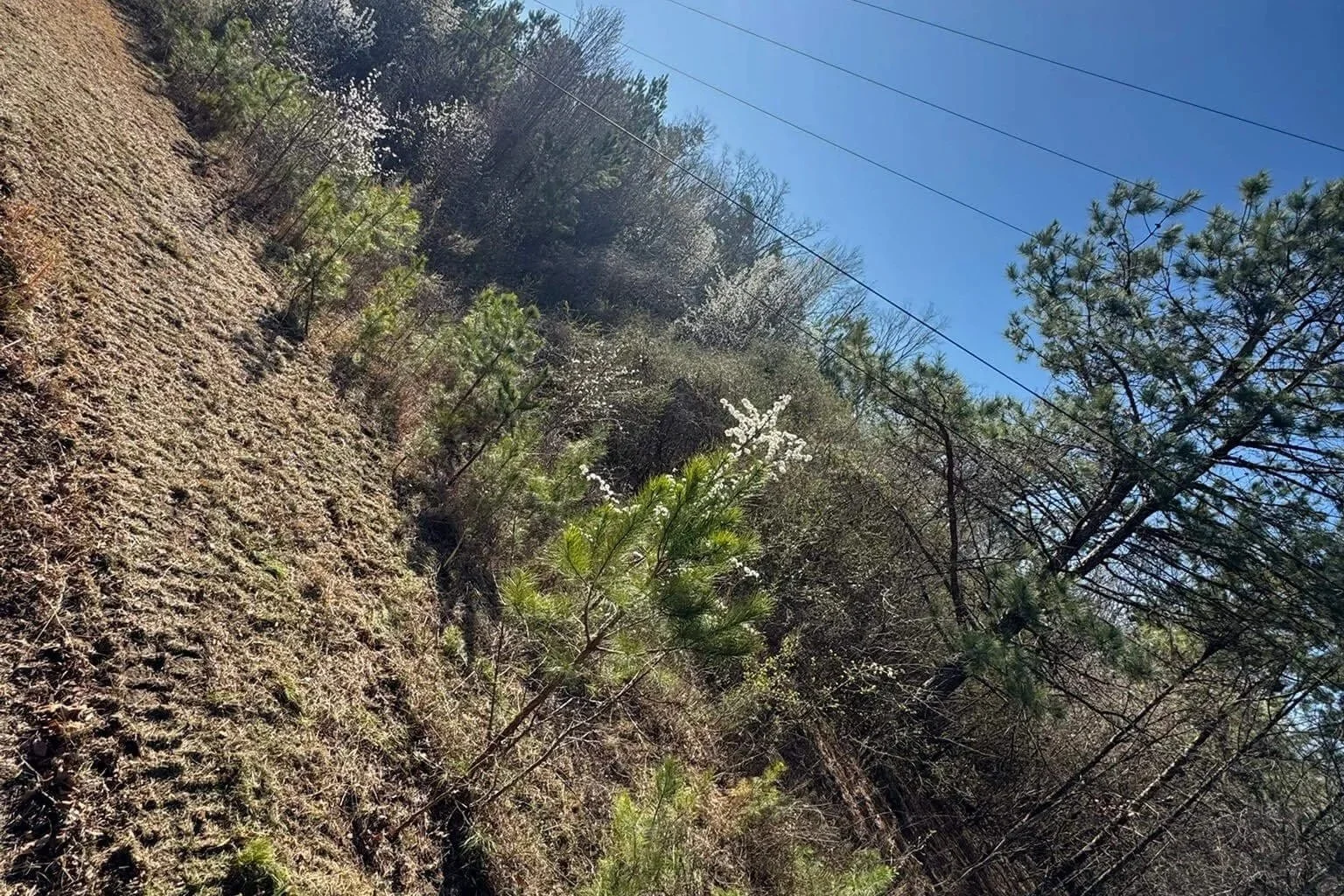
Brush Clearing in Ellijay Georgia
Step 1: Walk the Land and Get Clear on the Goal
Before anybody starts anything, walk the ground and settle a few things in your head.
How many acres are you putting into pasture. What are you grazing, and how many head. What's growing out there now, brush and saplings or bigger timber mixed in. And how the land lies, flat and easy or steep and rocky.
Grazing changes what you need. A couple horses on two acres is a different job than running cattle on ten. Knowing the goal up front keeps you from clearing too little or paying to clear ground you won't use.
Step 2: Know Why the Clearing Method Matters
The clearing method you pick matters more for pasture than most people figure, so it's worth a minute.
The old way to clear for pasture is to bring in a bulldozer, push everything into piles, and rip the stumps out. It's fast and it looks clean when it's done. The problem is what it does to the dirt. A dozer scrapes off your topsoil right along with the brush, and it pushes it into those piles with everything else.
In North Georgia that's a real problem, because under that topsoil is red clay. We've all seen the land that got dozed and then baked hard in the summer sun. The owner limes it, seeds it, fertilizes it, and still can't get grass to take, because the good soil grass needs is sitting in a burn pile at the edge of the field.
Forestry mulching works the other way. The machine grinds the brush, saplings, and small trees right where they stand and leaves that material on the ground as mulch. Your topsoil stays put. The mulch breaks down and feeds it. You keep the exact layer of dirt you're going to be asking grass to grow in.
For pasture, that decides whether you're seeding into good ground or fighting baked clay for years.
Step 3: Clear and Mulch the Land
This is our part. We come out for a free walkthrough, look at your acreage, and give you a straight quote. Then we bring equipment sized to your property and mulch the growth in place. Brush, briars, saplings, and small trees up to [Ben to confirm: max tree diameter] inches go straight to mulch. No burn piles. No hauling. No dozer scraping your dirt into the woods.
When we pull out, you've got open ground with the topsoil still on it and a layer of mulch across the top. That's the foundation for pasture, and it's a whole lot further along than most people expect.
Step 4: Know What's Left After the Mulcher
We'll be honest with you about this, because it matters for pasture.
Mulching grinds stumps down to a couple inches below the surface, not clean out of the ground. The roots stay in the dirt and rot away over time, which is fine for grazing ground. You'll also have that mulch layer sitting on top.
For a lot of pasture uses, ground mulched flat is ready to work with. If you want a smooth, refined seedbed, there's a little more to do, and that's the next step.
Step 5: Seed and Get Grass Growing
This part is yours to handle or hire out. This is what you're looking at.
You've got two roads. The simpler one is to seed right into the mulch, keep it watered, and let the grass come up through as the mulch breaks down. The more thorough one is to run a disc or a tiller over it first to work the mulch in and make a clean seedbed, then seed. The disc route gives you a smoother field faster, but it means renting equipment or hiring a tractor.
Either way, get your seed matched to North Georgia and to what you're grazing. A local feed store or the county extension office will point you to the right mix.
Step 6: Stay After the Regrowth the First Year
One thing to plan on. Because the roots are still in the ground, some brush and saplings will try to send up new shoots the first season.
Don't let it get ahead of you. Bush-hog it or spot-spray the new growth while it's low and tender, and it gives up quick. Ignore it for six months and you'll be looking at waist-high brush again. Handle it early that first year and your grass wins the ground for good.
What Your Pasture Could Look Like After Using Forestry Mulching Services
Picture standing at the fence looking out over open, green pasture where a wall of brush used to be. Cattle grazing on ground you couldn't walk through a year ago. Grass that took because the soil under it was protected instead of scraped away.
Now picture the other version. Land dozed in a hurry, topsoil gone, red clay baked hard, and you three seasons in still throwing seed at dirt that won't hold it. That's the story we hear from folks who cleared the wrong way and called somebody too late.
Overgrown land only gets thicker and more expensive to clear the longer it sits. And how you clear it decides whether you spend the next few years grazing your pasture or fighting your dirt. Do it right the first time.
Click here to get your free quote today.
Frequently Asked Questions About Brush Clearing in North Georgia
Is forestry mulching good for clearing land for pasture?
It's one of the best methods for it, and the reason is the soil. A bulldozer scrapes off your topsoil while it clears, which is bad news for growing grass, especially over North Georgia red clay. Mulching grinds the growth in place and leaves the topsoil where it is, so you're seeding into good ground instead of baked dirt.
Does forestry mulching remove stumps for pasture?
Not all the way out. Mulching grinds stumps down to a couple inches below the surface and leaves the roots in the ground to rot away over time. For grazing ground that's fine. If you need stumps pulled clean out for some reason, that's a different job than mulch clearing.
Can you plant grass right after forestry mulching?
You can. The simplest way is to seed right into the mulch layer and keep it watered while the grass comes up and the mulch breaks down. If you want a smoother field faster, run a disc or tiller over it first to work the mulch in, then seed. Either way, match your seed to North Georgia and what you're grazing.
Will the mulch layer stop grass from growing?
No, as long as it's not piled too thick. A normal mulch layer breaks down and feeds the soil while your grass establishes. If you want quicker, more even coverage, discing the mulch into the topsoil before seeding does the trick.
How much does it cost to clear land for pasture in North Georgia?
It comes down to acreage, how thick the growth is, and how rough the ground is. Mulching usually runs less than traditional clearing because there's no hauling or disposal, and Southeast prices tend to sit under the national average. The quickest way to find out is a free walkthrough on site.
